How to Get Your Short Film Off the Ground
Every short film begins as a spark — a question, a moment, a character, or a feeling you can’t let go of. Turning that spark into a finished film, though, requires more than inspiration. It takes structure, planning, and a funding strategy that supports your creative goals rather than limiting them.
Whether you’re making your first short or sharpening your voice as a filmmaker, most projects move through the same core phases:
Idea → Script → Pre-Production → Funding → Production → Post-Production
Below is a practical walkthrough of each phase — and how tools like screenwriting funds, film challenges, and fiscal sponsorship can support you at every step.
1. Start With the Idea
This phase is driven by instinct. It’s where you define the why behind the project.
At this stage, focus on:
The core question or emotional thread
What you’re actually exploring beneath the plot
Why this story needs to exist now
You don’t need a budget or a plan yet — just clarity around what you’re trying to say.
2. Shape the Script
Once the idea sticks, the next step is turning it into something tangible: the script.
This is where filmmakers often hit friction — structure, pacing, tone, and translating an internal feeling into something visual. Support matters here.
Strong script development usually includes:
Feedback from outside eyes
Time to rewrite without production pressure
A cohort or community to stay accountable
Programs like the Indiewood Screenwriting Fund exist specifically for this phase, offering:
Mentorship and guided feedback
Peer support and cohort-based development
No submission fees or financial gatekeeping
The goal is to strengthen the script before money enters the equation.
3. Build a Pre-Production Foundation
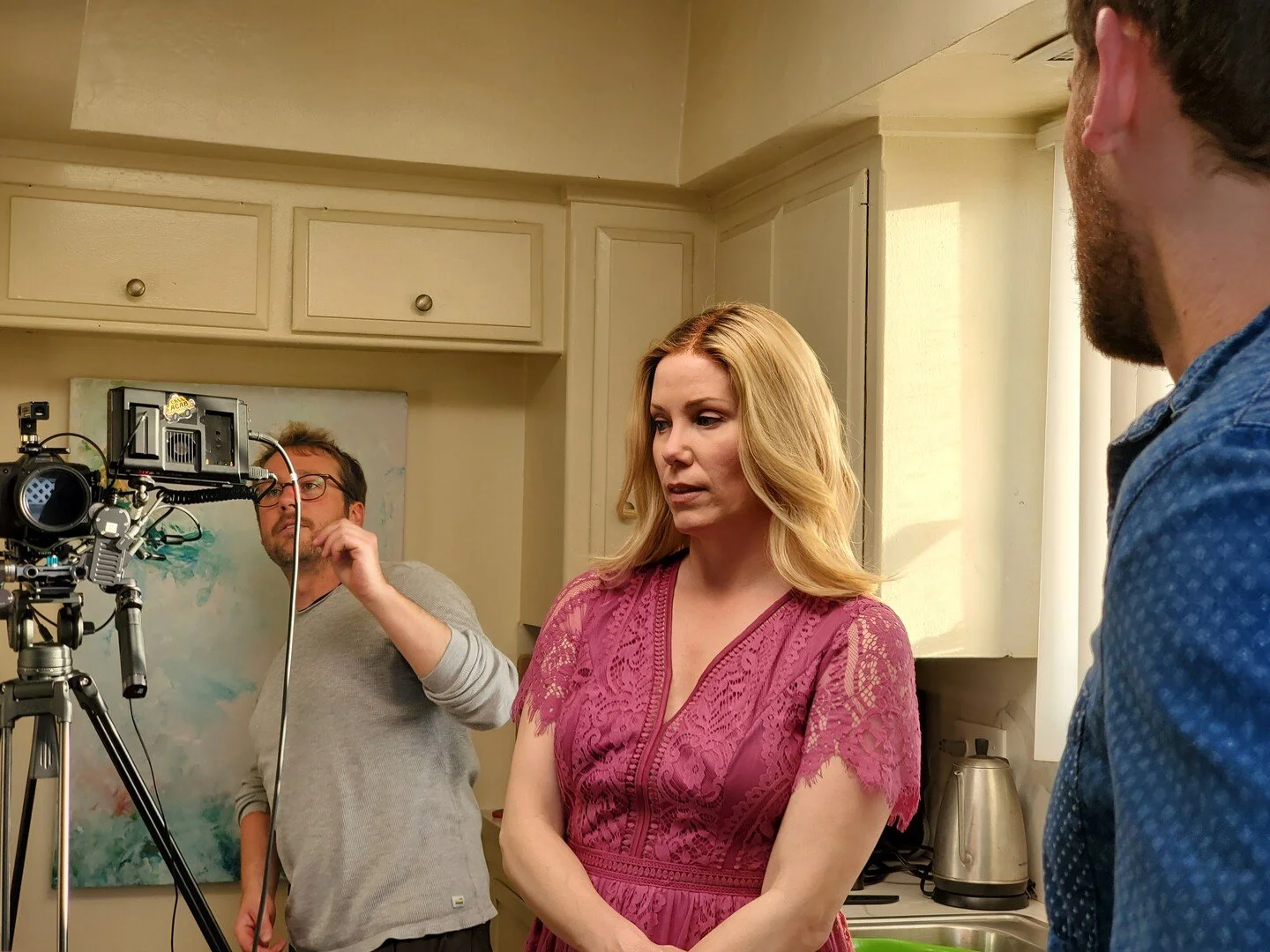
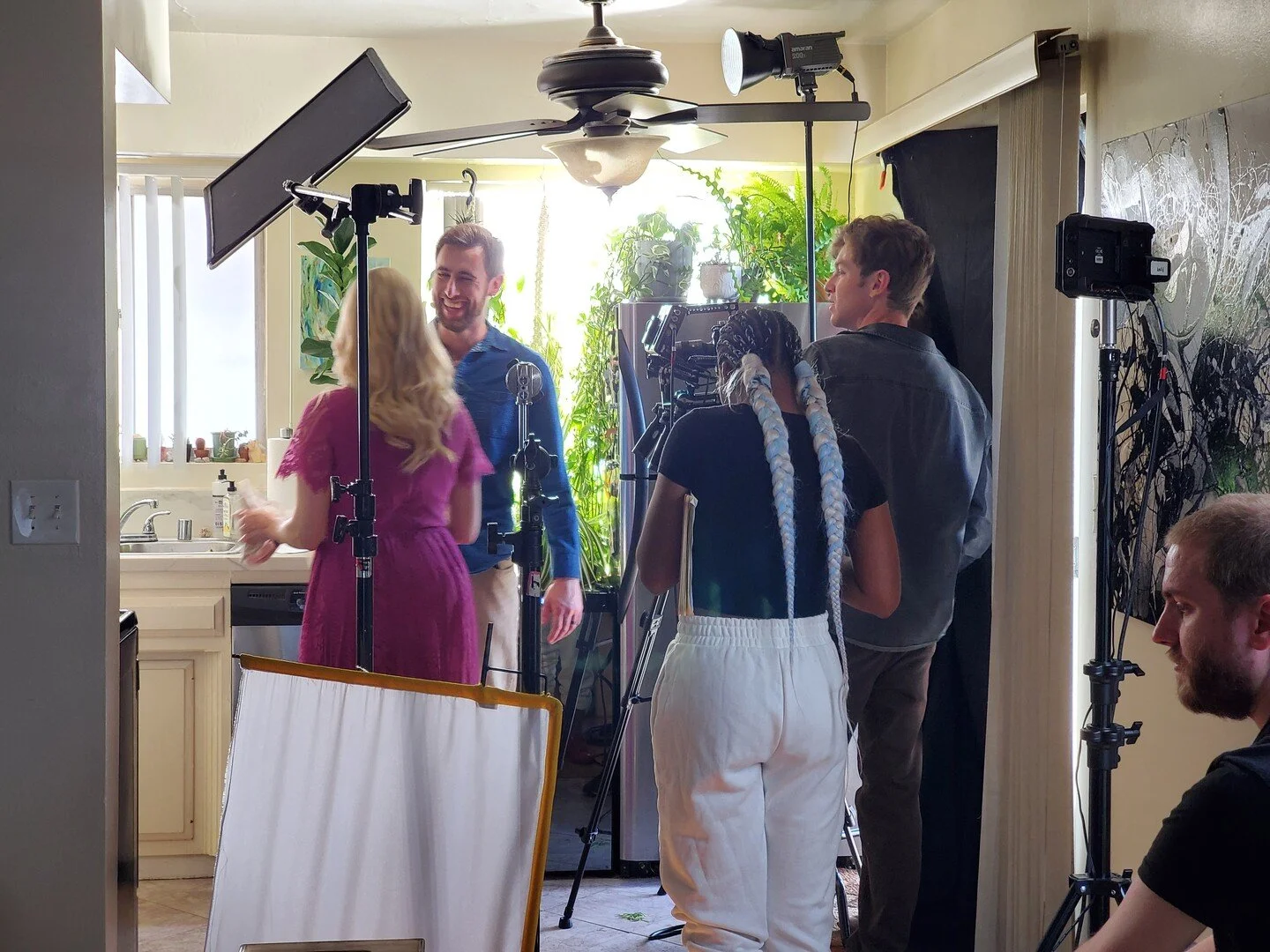
Pre-production is where the film stops being theoretical and starts becoming real.
This phase includes:
Creating an itemized budget
Assembling key collaborators
Securing locations and resources
Building a realistic production timeline
A well-prepared pre-production plan:
Saves money later
Reduces chaos on set
Signals credibility to donors and partners
4. Establish a Funding Strategy
Short films are funded in many ways:
Personal contributions
Small donors
Grants
Crowdfunding
Sponsorships
Film challenges and micro-budgets
Many major funders, however, require projects to be connected to a nonprofit. This is where fiscal sponsorship becomes a powerful tool.
The CFA Institute Fiscal Sponsorship Program was designed specifically for filmmakers, offering:
Donation processing and compliance
Administrative oversight
Public project pages
Industry credibility without forming your own nonprofit
This structure makes fundraising clearer for both filmmakers and donors.

5. Use a Film Challenge as a Launchpad
Film challenges often act as the bridge between development and production.
A challenge can help filmmakers:
Commit to a timeline
Work within creative constraints
Build proof-of-concept work
Test a story before expanding it
For many projects, a short made during a challenge becomes:
A festival submission
A grant sample
A proof-of-concept for a larger film
A fiscally sponsored project ready to grow
6. Move Into Production With Confidence
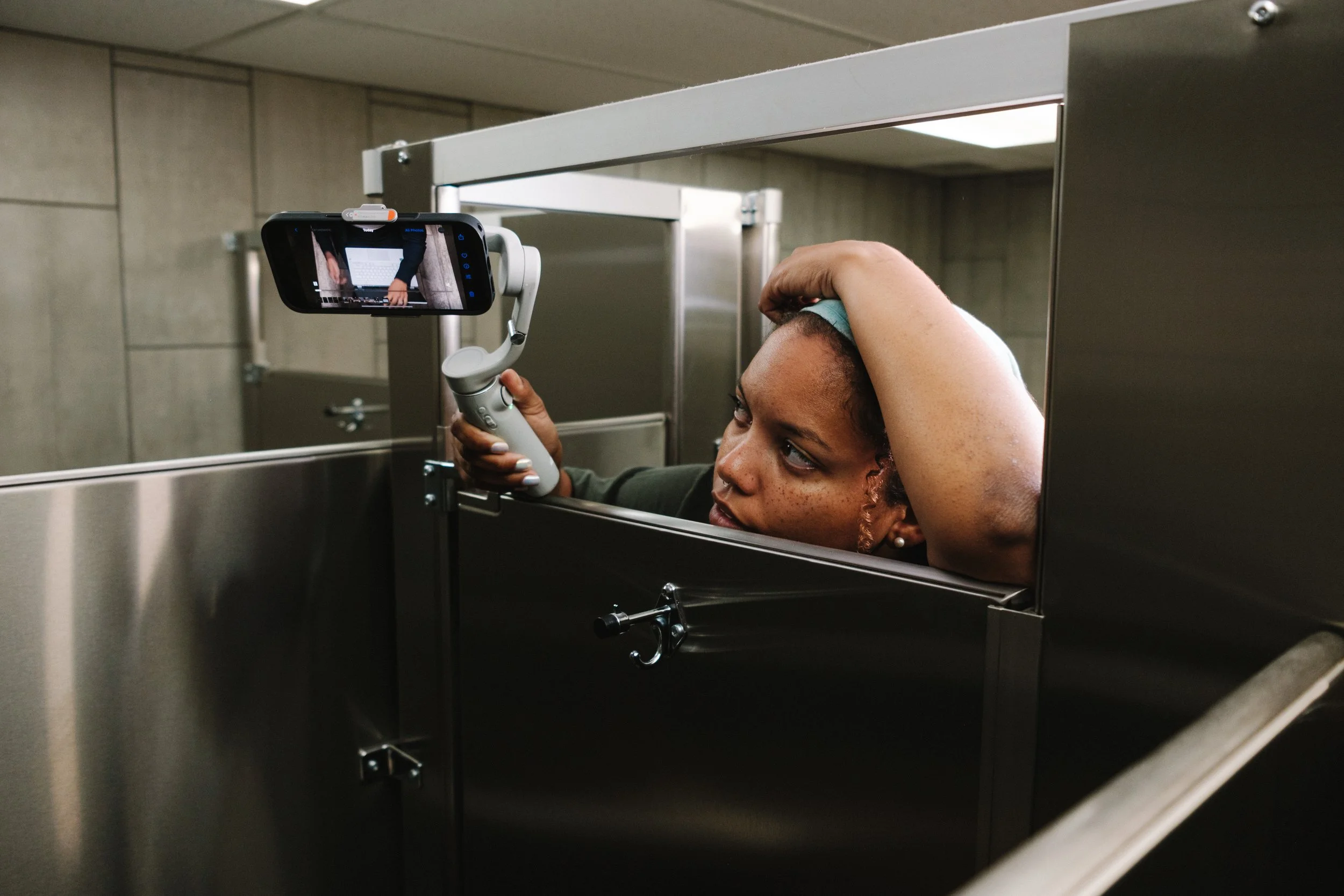
With preparation and funding in place, production becomes focused instead of frantic.
At this stage:
The groundwork you laid pays off
Your team knows the vision
Decisions are faster and clearer
Production works best when it’s the execution of a plan — not the place where the plan is invented.
7. Navigate Post-Production Strategically
Post is where films often run out of money or time.
This phase includes:
Editing
Sound design
Color
Final delivery
Unexpected costs are common here, which is why having:
An ongoing fundraising structure
The ability to receive additional donations
Clear financial reporting
can make the difference between a stalled project and a finished film.
Where CFA Programs Fit Into the Journey
Indiewood Screenwriting Fund supports the idea-to-script phase
Film Challenges create momentum, proof-of-concepts, and community accountability
CFA Institute Fiscal Sponsorship supports development through post-production and fundraising
Together, these programs form a continuous pathway — from spark to script to a fully realized short film — without forcing filmmakers to navigate the process alone.