
From Idea to Script: How the Indiewood Screenwriting Fund Helps Writers Thrive Without Submission Fees
Every screenwriter starts in the same place: an idea that won’t leave them alone. Maybe it’s a scene they keep replaying, a character who arrives fully formed, or a feeling they’re trying to put into words. But taking that raw spark and shaping it into a script that actually stands a chance in the industry is where things get complicated — and expensive.
For many writers, the barriers begin long before they even open their laptops. Submission fees add up quickly. Feedback, when available, often requires another payment. And without a creative community to lean on, writing becomes an isolating process where growth is slow and confidence is fragile. The result? Brilliant ideas never make it past the “notes” section of someone’s phone.
The Indiewood Screenwriting Fund was created to shift this experience entirely.
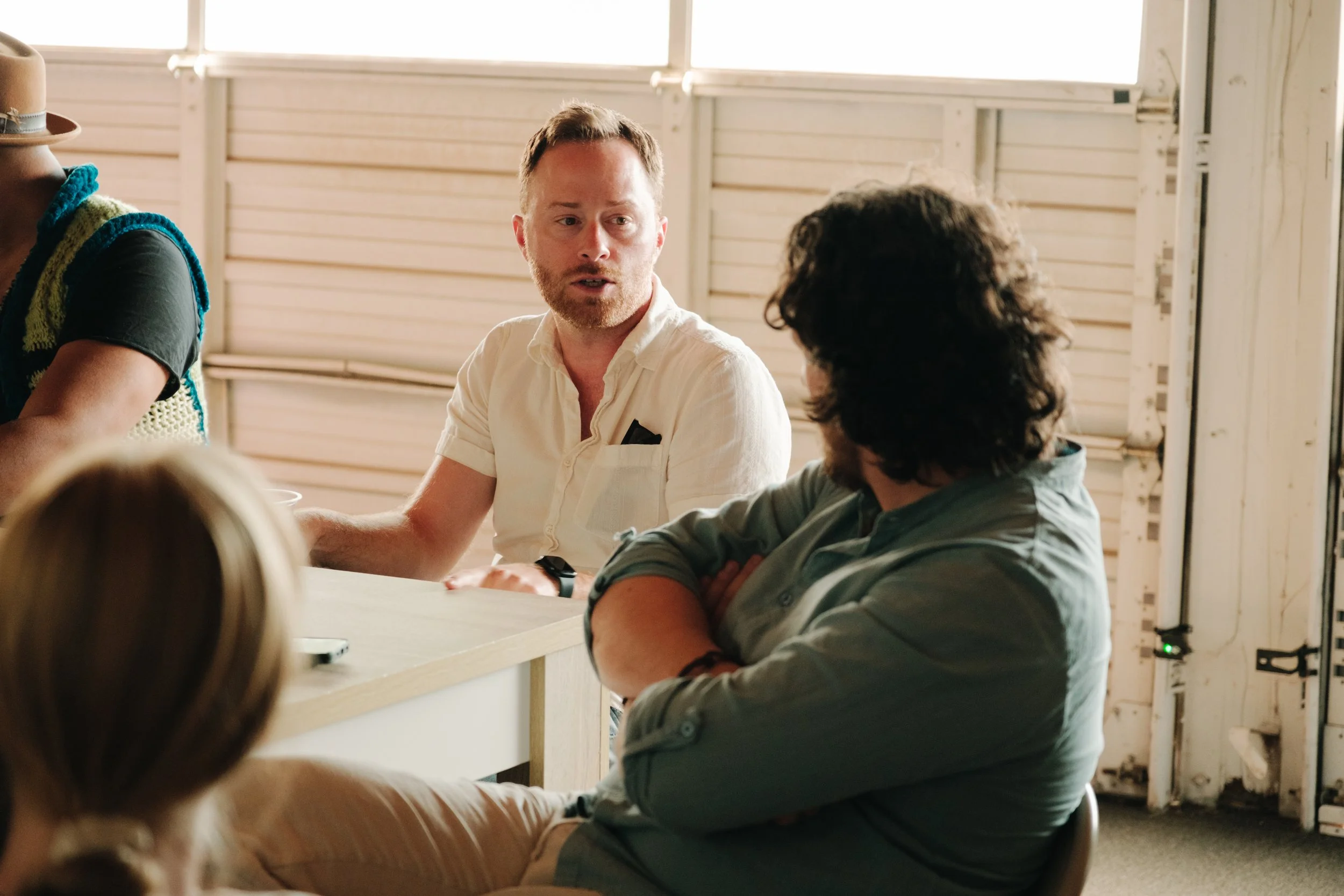
The common barriers screenwriters face
Most early-stage and emerging writers run into the same obstacles:
Submission Fees
Contests, labs, and fellowships are marketed as opportunities — but almost all of them come with fees. Writers often spend more money submitting scripts than they do developing them. And because of cost, many hold back from applying at all.Limited, Expensive Feedback
Feedback is essential, but professional notes can be inconsistent or too pricey to access regularly. Writers end up trying to self-edit without guidance, which stalls scripts in the drafting stage.Lack of Community
Many writers are developing work alone. Without peers to exchange ideas, celebrate progress, or push them to keep going, motivation dips and drafts stay unfinished.These barriers don’t reflect a lack of talent. They reflect a system that asks writers to invest financially long before they’re given resources to grow.
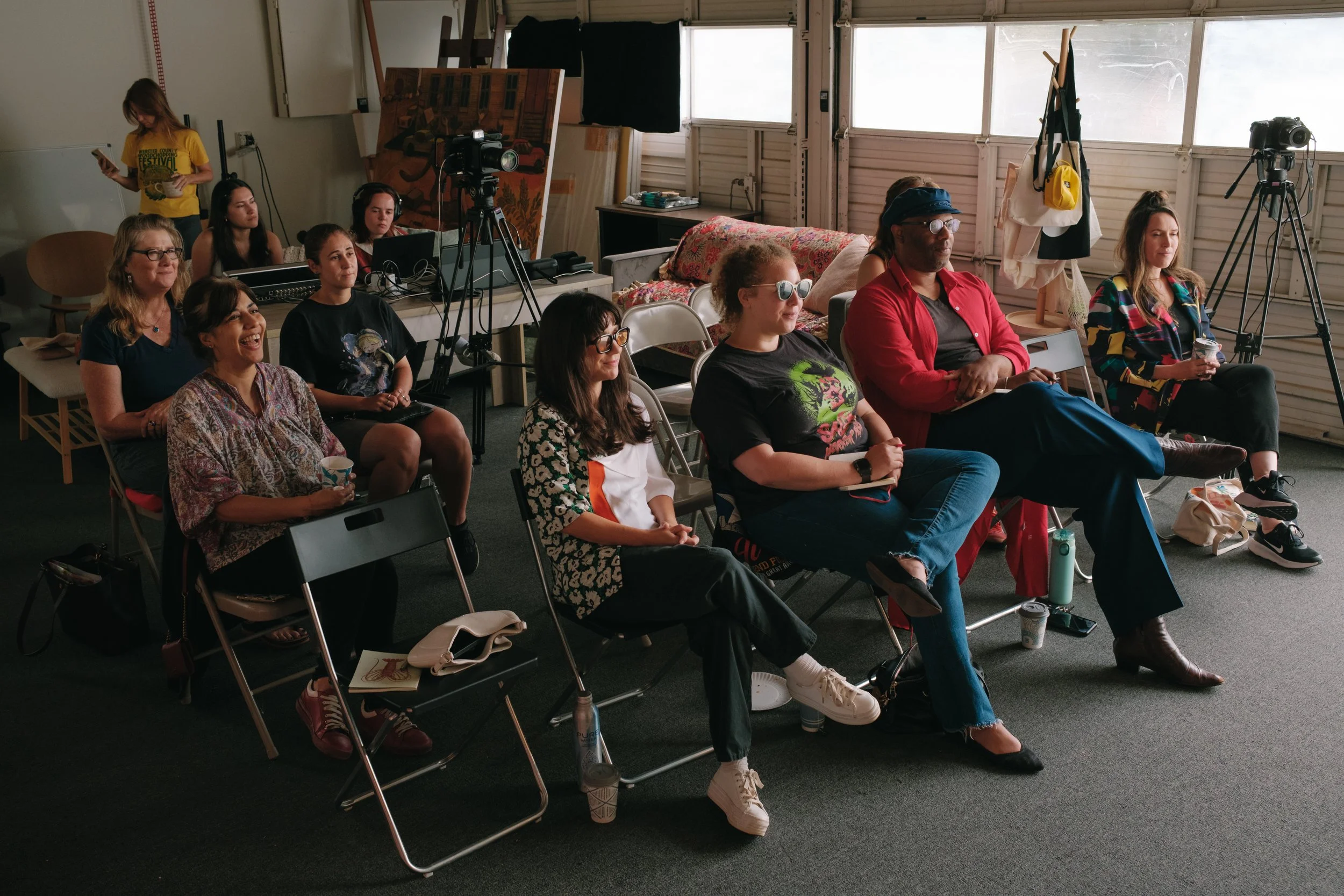
How a fund + mentorship changes everything
When you remove the financial burden, two things happen: writers finally take creative risks, and they actually finish their scripts.
A fund ensures that writers don’t have to “pay to participate.” It also creates equity — writers who could never afford traditional submission cycles suddenly have access to the same opportunities as everyone else.
When mentorship is added, writers gain direction. A mentor is someone who listens deeply, understands story mechanics, and can identify the strengths hiding inside early drafts. They help writers clarify structure, strengthen emotional arcs, and stay accountable through the writing process.
Instead of feeling like they’re sending their script into a void, writers feel supported, seen, and guided.
What happens when writers get real access and guidance
When you remove the financial burden, two things happen: writers finally take creative risks, and they actually finish their scripts.
A fund ensures that writers don’t have to “pay to participate.” It also creates equity — writers who could never afford traditional submission cycles suddenly have access to the same opportunities as everyone else.
When mentorship is added, writers gain direction. A mentor is someone who listens deeply, understands story mechanics, and can identify the strengths hiding inside early drafts. They help writers clarify structure, strengthen emotional arcs, and stay accountable through the writing process.
Instead of feeling like they’re sending their script into a void, writers feel supported, seen, and guided.
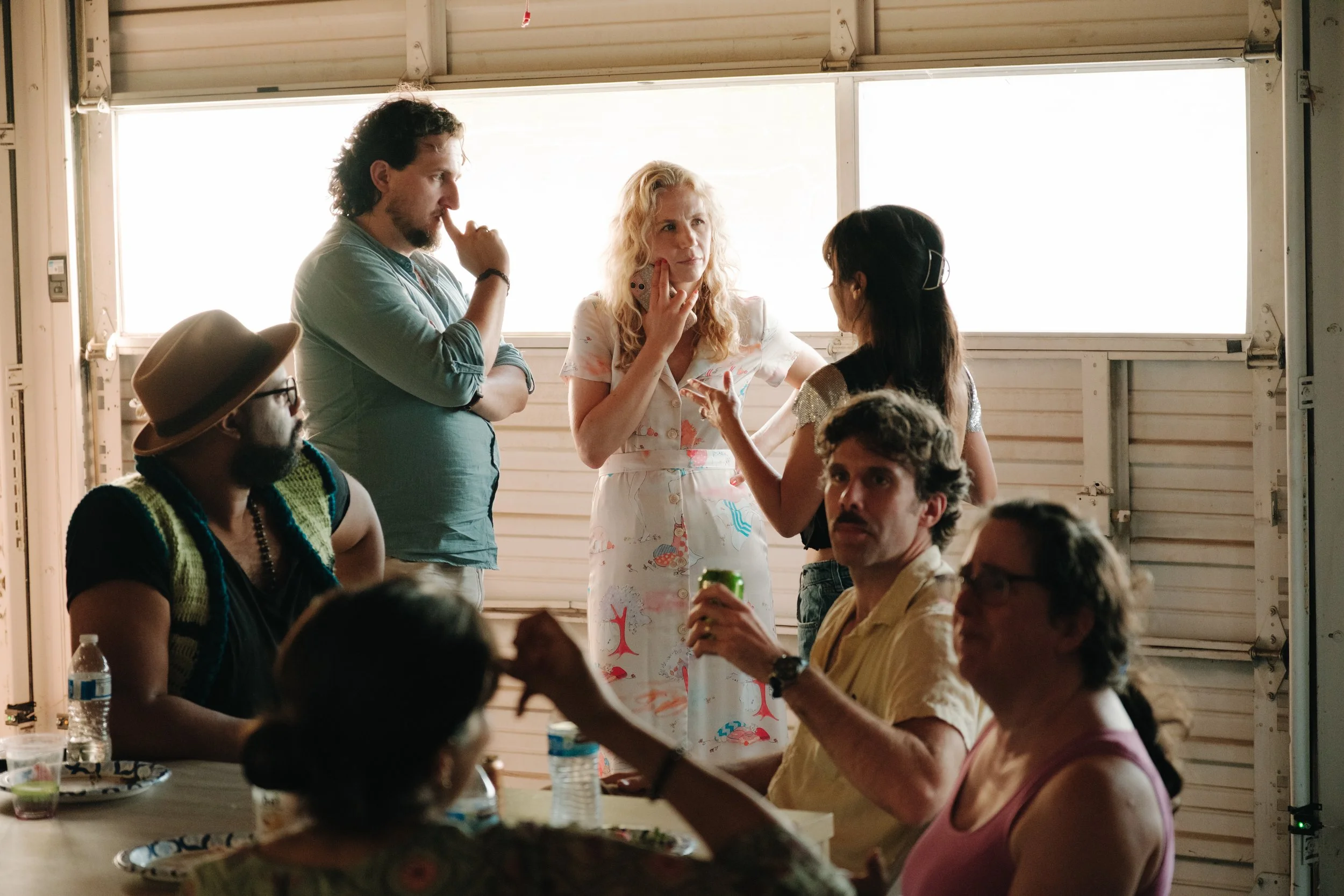
How The Indiewood Screenwriting Fund Addresses These Barriers
The Indiewood Screenwriting Fund is designed to remove obstacles, not add to them. There are no submission fees, no tiers of access, and no hidden costs. Writers submit freely, knowing they’re being considered based on the strength of their idea, not their ability to pay.
Once selected, writers receive mentorship that is practical, accessible, and personalized. They’re not just receiving feedback — they’re developing a script alongside someone invested in their growth. And because the fund lives within a filmmaker-focused ecosystem, writers stay connected to a supportive community that understands the entire creative pipeline.
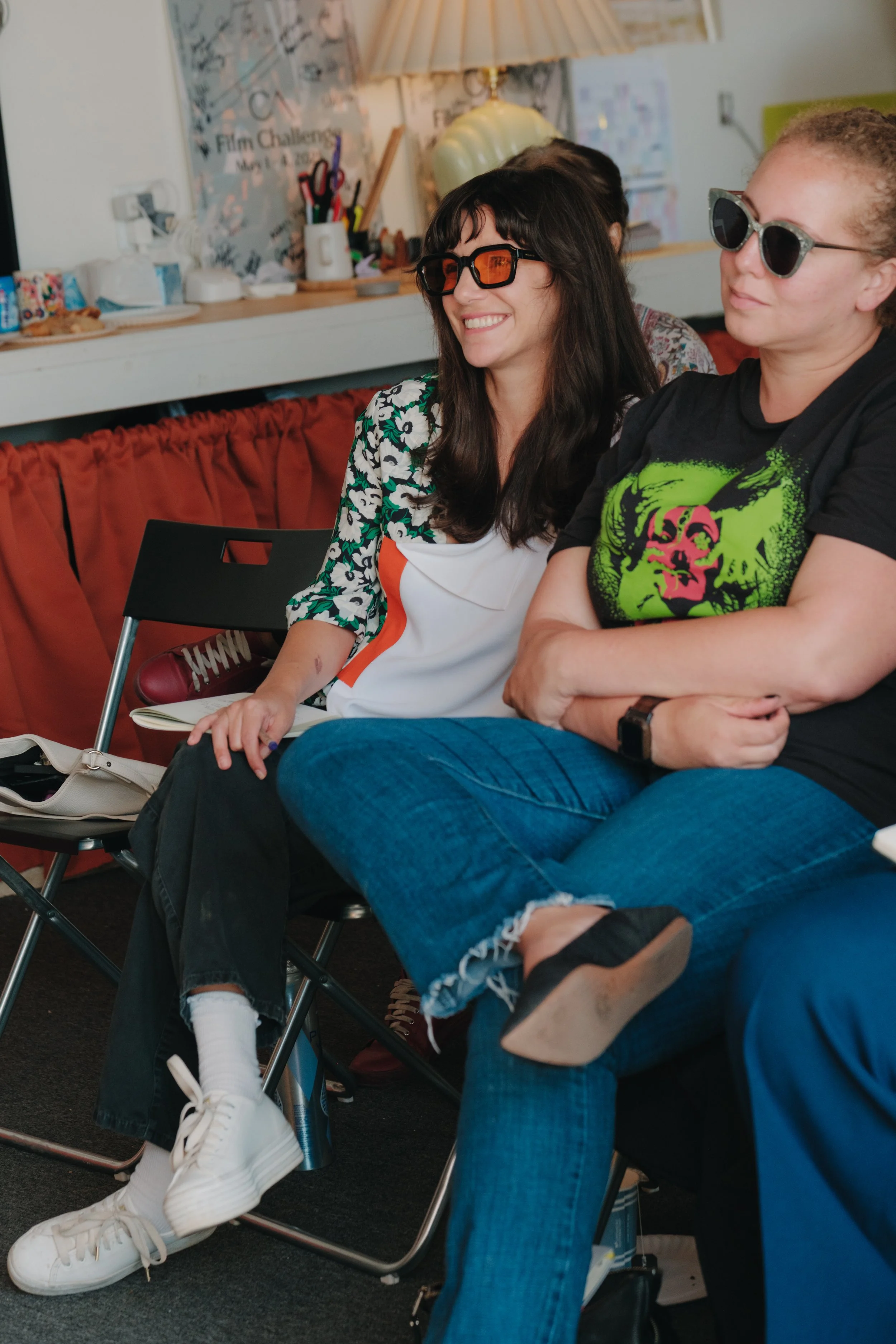
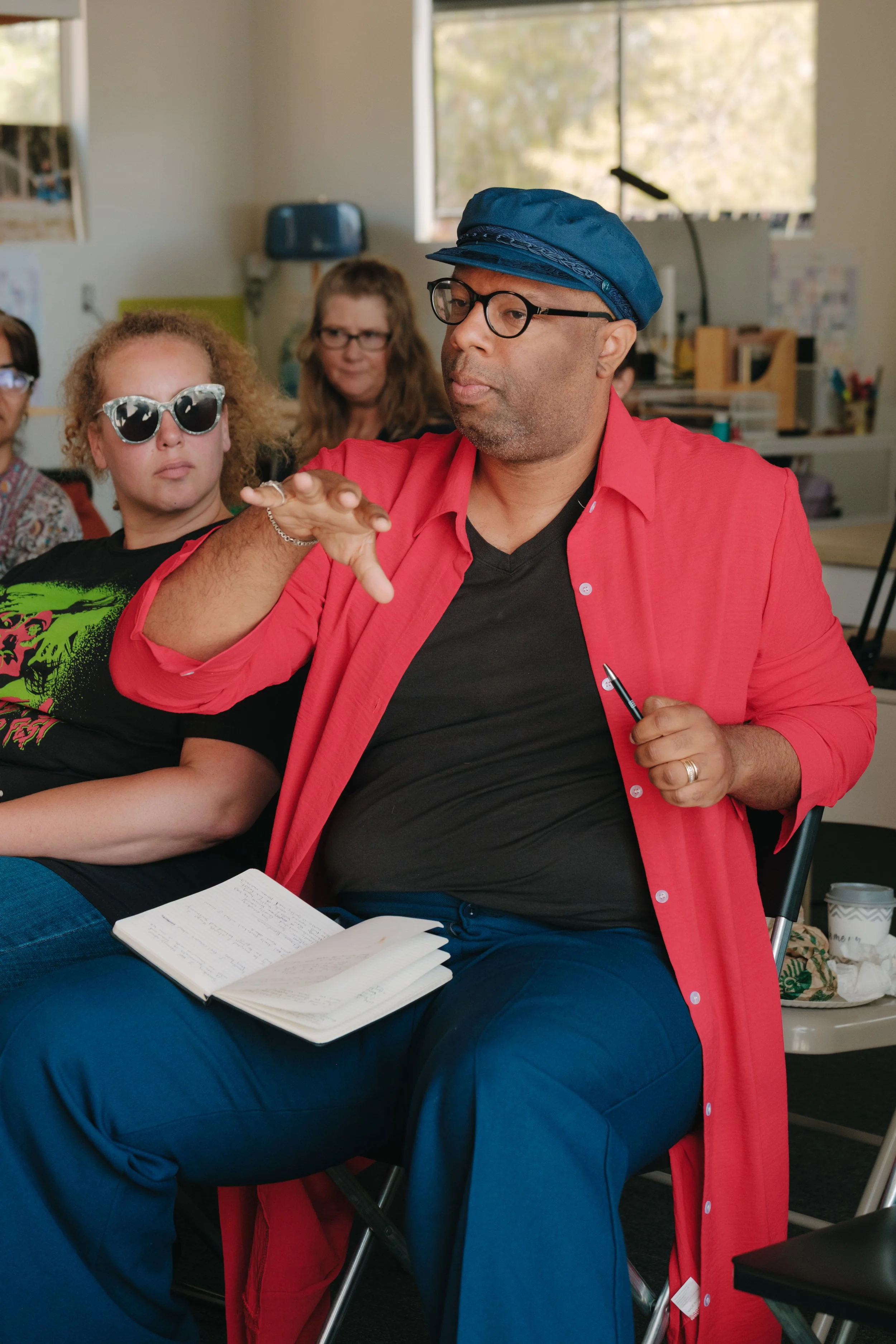
“The goal is simple: help writers go from idea to script with confidence, momentum, and zero financial barriers.”