
10 Funding Options for Independent Filmmakers (and Why Fiscal Sponsorship Might Be the Best Fit)
Independent filmmakers are constantly juggling two worlds at once: the creative and the financial. One moment you’re refining story beats; the next, you’re trying to piece together a realistic budget. And because every project demands its own financial puzzle, understanding your funding options early on can determine how quickly you move from idea to production.
Here’s a simple look at ten common routes filmmakers consider — and why fiscal sponsorship often stands out as the most flexible, accessible, and filmmaker-friendly option.
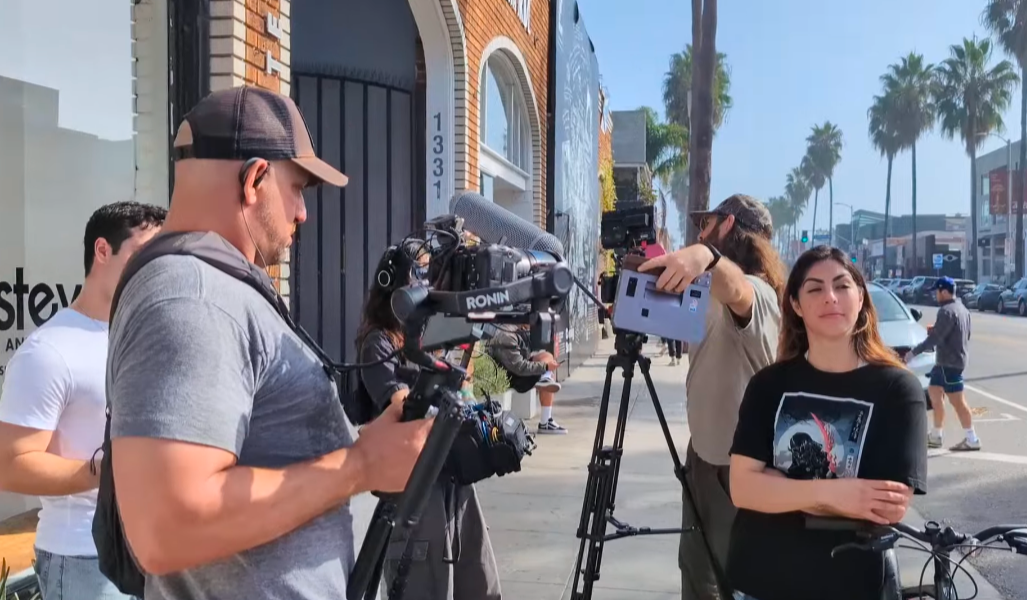
1. Grants
Film grants can be life-changing. They’re non-recoupable, mission-driven, and often come with institutional support. The catch? Many require the applicant to be a 501(c)(3) organization. This is where fiscal sponsorship becomes essential: it allows filmmakers to apply for those grants without forming their own nonprofit, giving them access to opportunities otherwise out of reach.
2. Private Investors
Investors help cover larger budgets and can accelerate production. But they expect a financial return, which adds long-term pressure. For narrative features, this can make sense. For artistic, impact-driven, or documentary work, it can complicate creative freedom.
3. Equity Investment
Some filmmakers blend equity with donations. It’s possible to use both — many filmmaking teams pursue a hybrid model. Fiscal sponsorship doesn’t prevent this; in fact, CFA Institute explicitly allows projects to combine equity investment with charitable fundraising as long as funds are used appropriately.
4. Crowdfunding
Platforms like Kickstarter, Indiegogo, and Seed&Spark give filmmakers direct access to their communities. It’s an effective tool for building buzz and raising smaller amounts quickly. But the fees stack up. Crowdfunding platforms can take up to 15% in fees, and this is on top of fiscal sponsorship administrative fees if funneling through a nonprofit.
Crowdfunding is powerful — but unpredictable, labor-heavy, and not always sustainable across multiple projects.
5. Corporate Sponsorships
Brands may offer financial support, gear donations, or cross-promotional deals. These opportunities depend heavily on your project’s audience and reach. They also require negotiation, pitching, and relationship-building — all valuable but time-consuming.


6. Production Company Partnerships
Sometimes a production company will help finance a project in exchange for rights or creative control. This can be great if aligned, but limiting if your story demands independence.
7. Film Labs & Fellowships
These programs offer support, guidance, and sometimes partial funding. Access can be competitive, and not all labs come with financial backing.
8. Self-Funding
Many filmmakers start this way: savings, day jobs, credit cards, or side gigs. It’s immediate but risky. And it’s often unsustainable for long-term careers.
9. In-Kind Donations
Equipment, locations, and services can drastically cut costs. Through fiscal sponsorship, in-kind contributions valued over $5,000 can even receive donation receipts when properly appraised.
10. Fiscal Sponsorship
This is one of the most accessible, flexible, and filmmaker-friendly options — especially if your project has artistic or educational value.
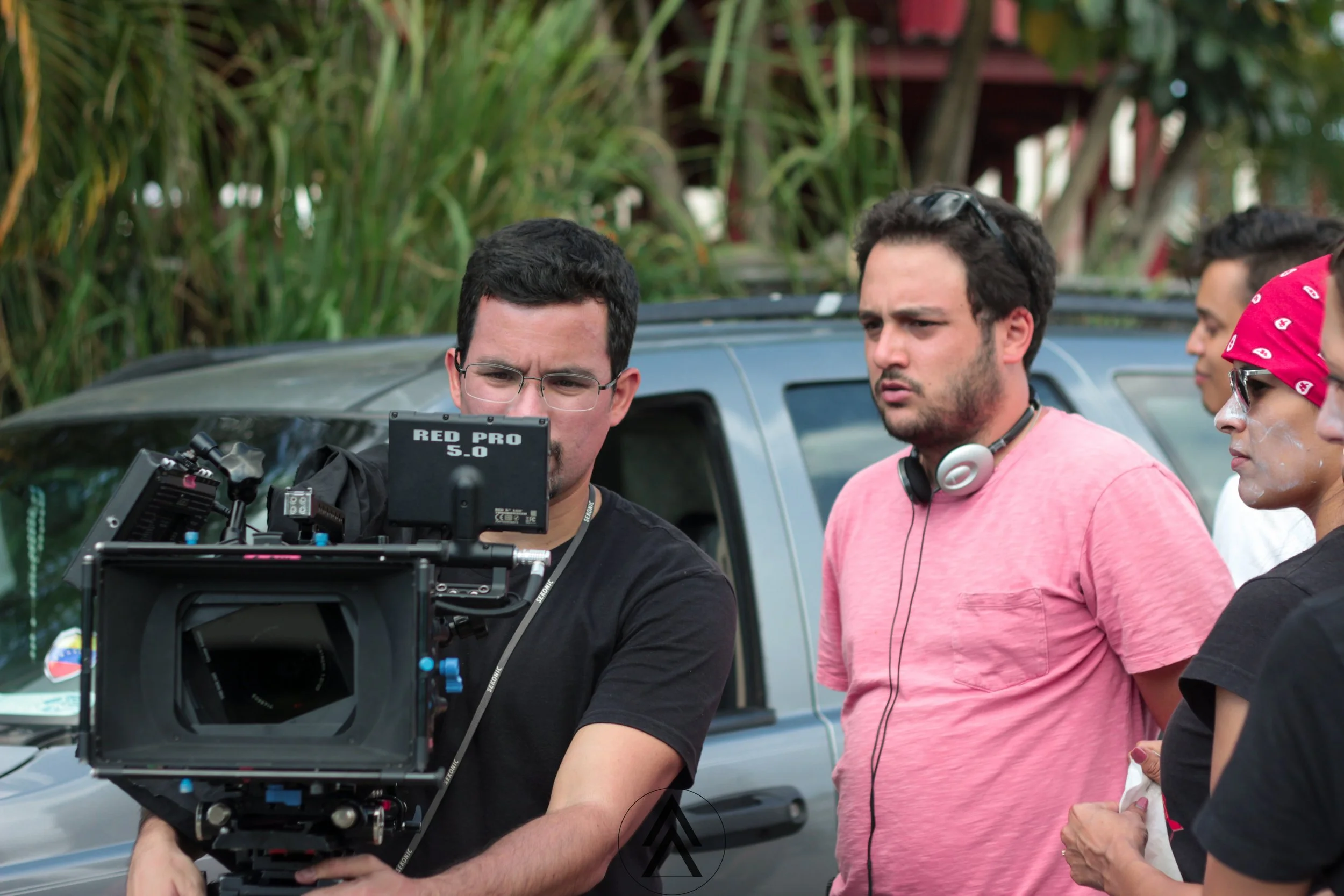
Why Fiscal Sponsorship Often Becomes The Best Fit
Fiscal sponsorship allows filmmakers to receive tax-deductible donations and apply for grants without creating their own nonprofit. It adds credibility, helps filmmakers accept donations through multiple channels (online, checks, wire transfers, ACH, stocks), and provides oversight so donors feel secure. CFA Institute’s program is built specifically for filmmakers, offering:
• administrative support
• donation processing
• project pages
• vendor and festival partnerships
• faster review timelines and personalized communication
• a community-driven mission supporting underrepresented voices
It solves a core challenge: filmmakers need access to funding structures, not more administrative burdens. With fiscal sponsorship, your project gains legitimacy and financial infrastructure, while you stay focused on the creative work.
In a landscape full of funding routes, fiscal sponsorship stands out because it adapts to your project rather than forcing your project to adapt to the funding. And that’s exactly why our CFA Institute Fiscal Sponsorship Program was built — to keep filmmakers supported, resourced, and moving forward.