The Writer’s Checklist: What You Need Before Applying to a Screenwriting Fund or Fellowship
Applying to a screenwriting fund or fellowship isn’t just about submitting a script — it’s about showing that you understand your story, your voice, and where your project is headed.
Most programs aren’t looking for perfection. They’re looking for clarity, intention, and readiness to grow.
Here’s a clean, practical checklist to help you prepare — and how the Indiewood Screenwriting Fund supports each step.
1. A Script That’s Ready for Feedback
How Indiewood supports this:
Ongoing mentorship
Structured feedback loops
Development during the program (not before it)
A common mistake is waiting too long to apply.
What actually matters:
Clear story structure (beginning, middle, end — even if rough)
Defined characters with intentions
A sense of tone and world
Enough development that feedback can meaningfully improve it
What doesn’t matter:
Perfect dialogue
Final polish
Locked pages
What to check:
Can someone read this and understand the story?
Are the stakes visible?
Does it feel like a complete attempt, not just fragments?
2. A Strong Logline
Your logline is your story’s backbone.
It should answer:
Who is the protagonist?
What do they want?
What stands in their way?
What’s at stake?
Simple formula:
When [inciting incident], a [protagonist] must [goal], or else [stakes].
What to check:
Is it clear without explanation?
Is there conflict?
Does it feel specific (not generic)?
How Indiewood supports this:
Mentors help refine your logline into a pitch-ready tool
It becomes usable across applications, meetings, and revisions
What to check:
Does the story track logically?
Are the stakes escalating?
Does the ending feel earned?
3. A Concise Synopsis
This is where you prove you can execute the idea.
Focus on:
Beginning → middle → end
Major turning points
Character arcs
Tone consistency
Avoid:
Overly “writerly” language
Withholding the ending
Getting lost in minor details
How Indiewood supports this:
Guidance on shaping a clear, grounded narrative
Help aligning the synopsis with the script’s actual execution
4. A Writing Sample That Reflects Your Voice
Even if not required, having a sample ready strengthens your position.
It shows:
Range
Tone
Craft
Consistency in your voice
This could be:
Another script
A short film
A scene collection
What to check:
Does this feel like you as a writer?
Is the voice consistent across pieces?
Does it demonstrate control of tone?
How Indiewood approaches this differently:
No submission fees → less pressure to “overprove”
Focus stays on potential and development, not gatekeeping
5. A Network (Even a Small One)
You don’t need industry connections — but you do need feedback.
This can be:
A few trusted readers
Fellow writers
Collaborators
Workshop groups
Why it matters:
You catch issues earlier
You develop faster
You avoid working in isolation
What to check:
Have at least 1–3 people read your script
Have you received honest feedback (not just encouragement)?

How Indiewood supports this:
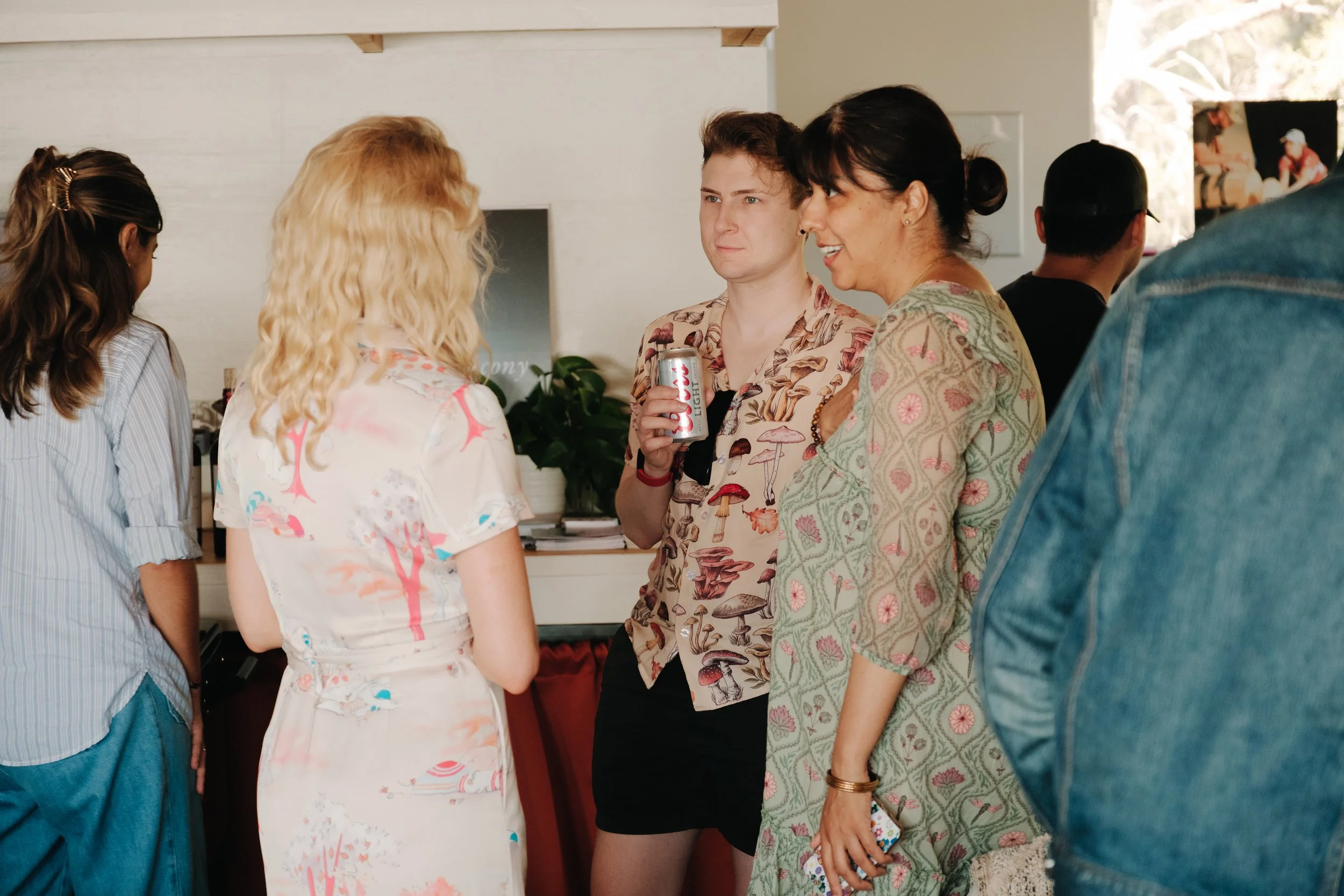
Built-in cohort of writers
Immediate creative community
Shared growth environment
6. A Sense of Where the Script Is Going
You don’t need a full production plan — but you should have direction.
Ask yourself:
Is this a short, feature, or series?
Is it meant for festivals, labs, or production?
Is this an early draft or something you want to push forward quickly?

What to check:
Can you describe the next step for this project?
Do you know what kind of support you need?
How Indiewood supports this:
Development → production pipeline awareness
Preparation for:
Further labs
Production pathways
Fiscal sponsorship through CFA (if funding becomes relevant)
The Real Takeaway
A strong application isn’t about having everything figured out.
It’s about:
Understanding your story
Communicating your vision
Showing you’re ready to grow
That’s what programs are actually evaluating.
The Indiewood Screenwriting Fund is built around that idea — meeting writers where they are and helping them move forward with:
Mentorship
Structured development
Community
A clear path to the next stage